The Challenge
The Elefsina-Korinthos-Patras motorway is one of Greece’s most critical transport corridors, carrying tens of thousands of vehicles daily through a landscape that includes coastal stretches, mountain passes, and dozens of tunnels. Traditional incident detection relied on operator monitoring of CCTV feeds — a method that is slow, inconsistent, and unable to scale across hundreds of kilometers of road.
Olympia Odos needed a system that could detect incidents automatically, consistently, and within seconds — across every lane and every camera, 24 hours a day.
Our Approach
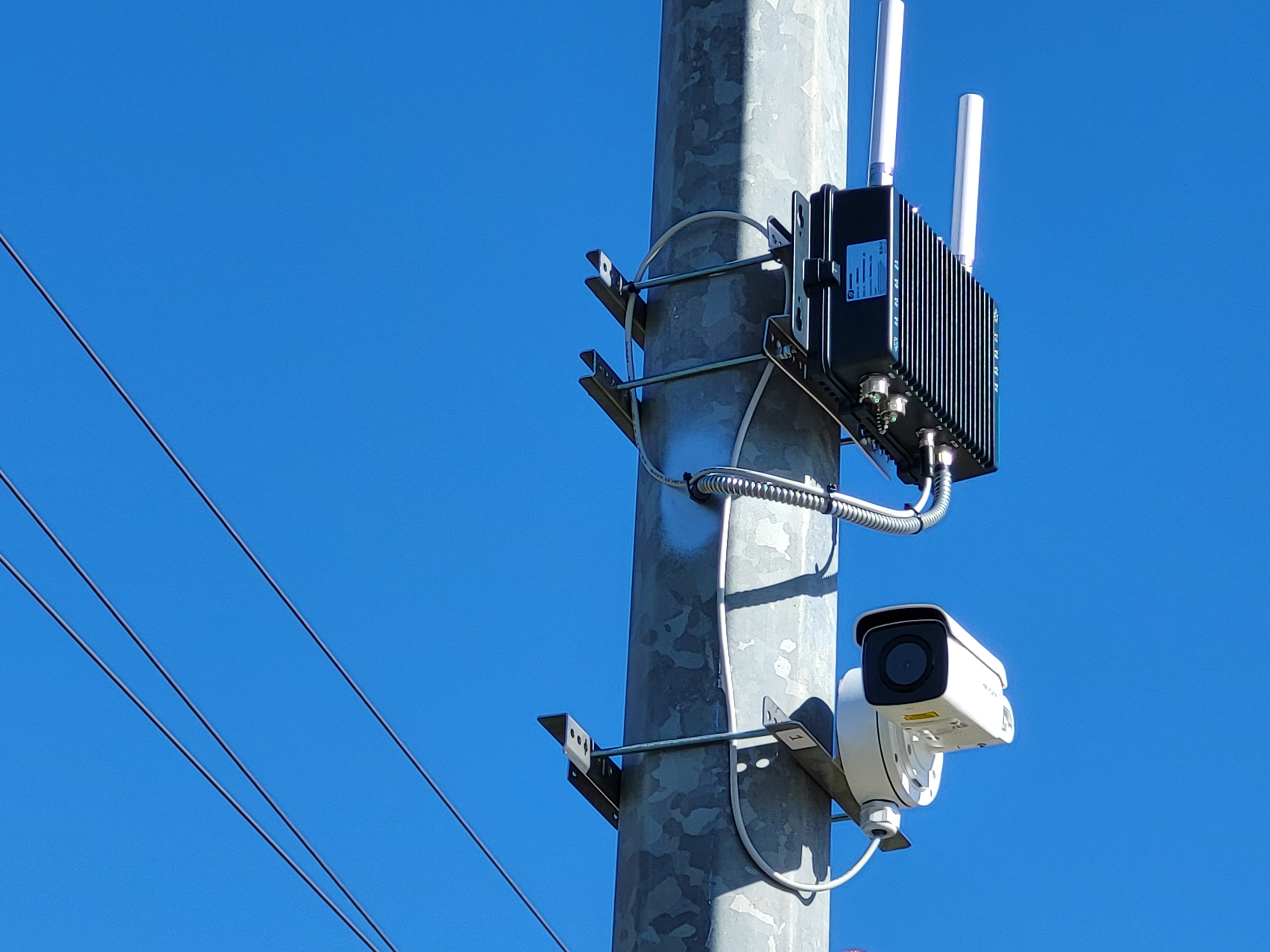
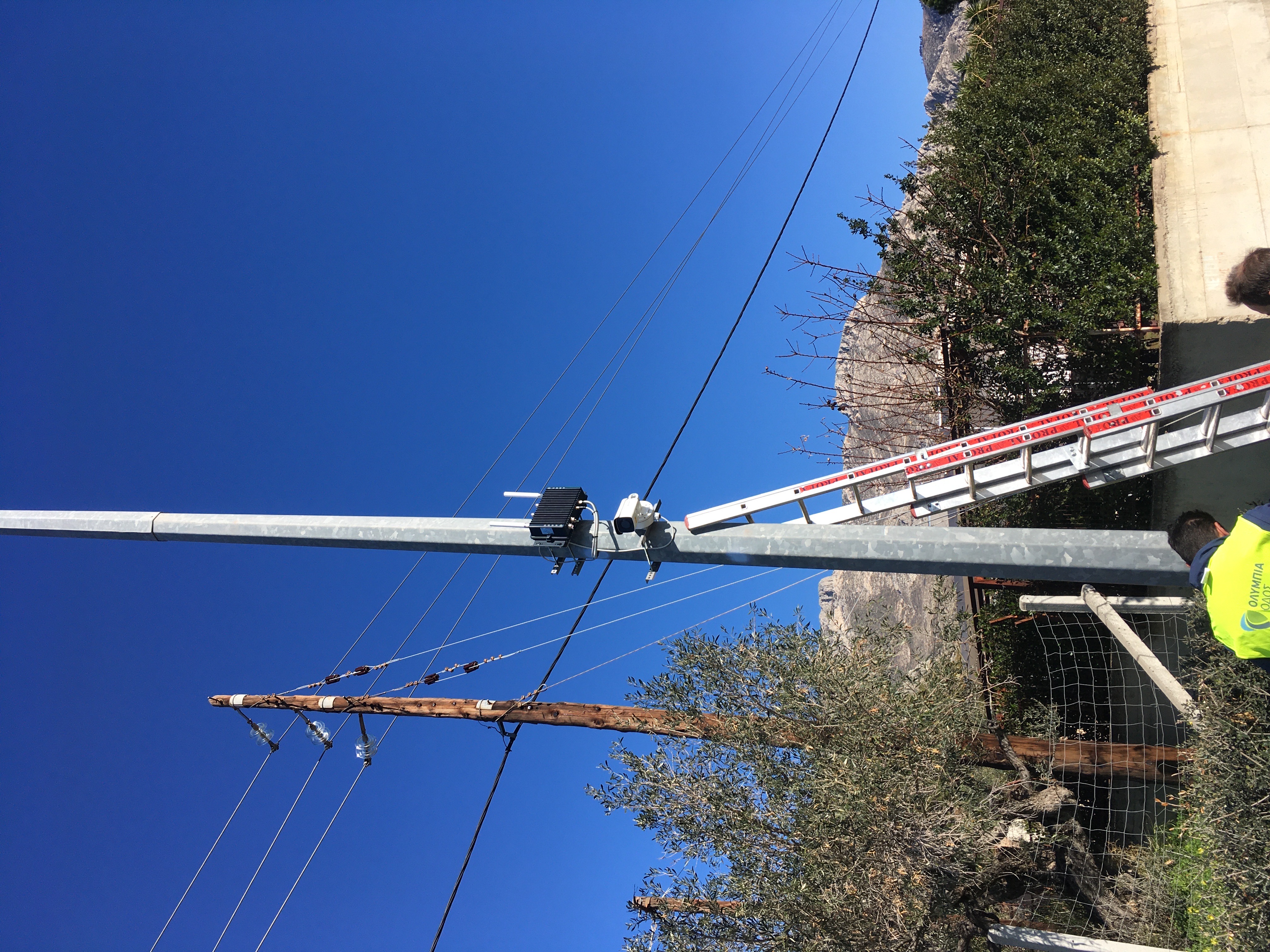
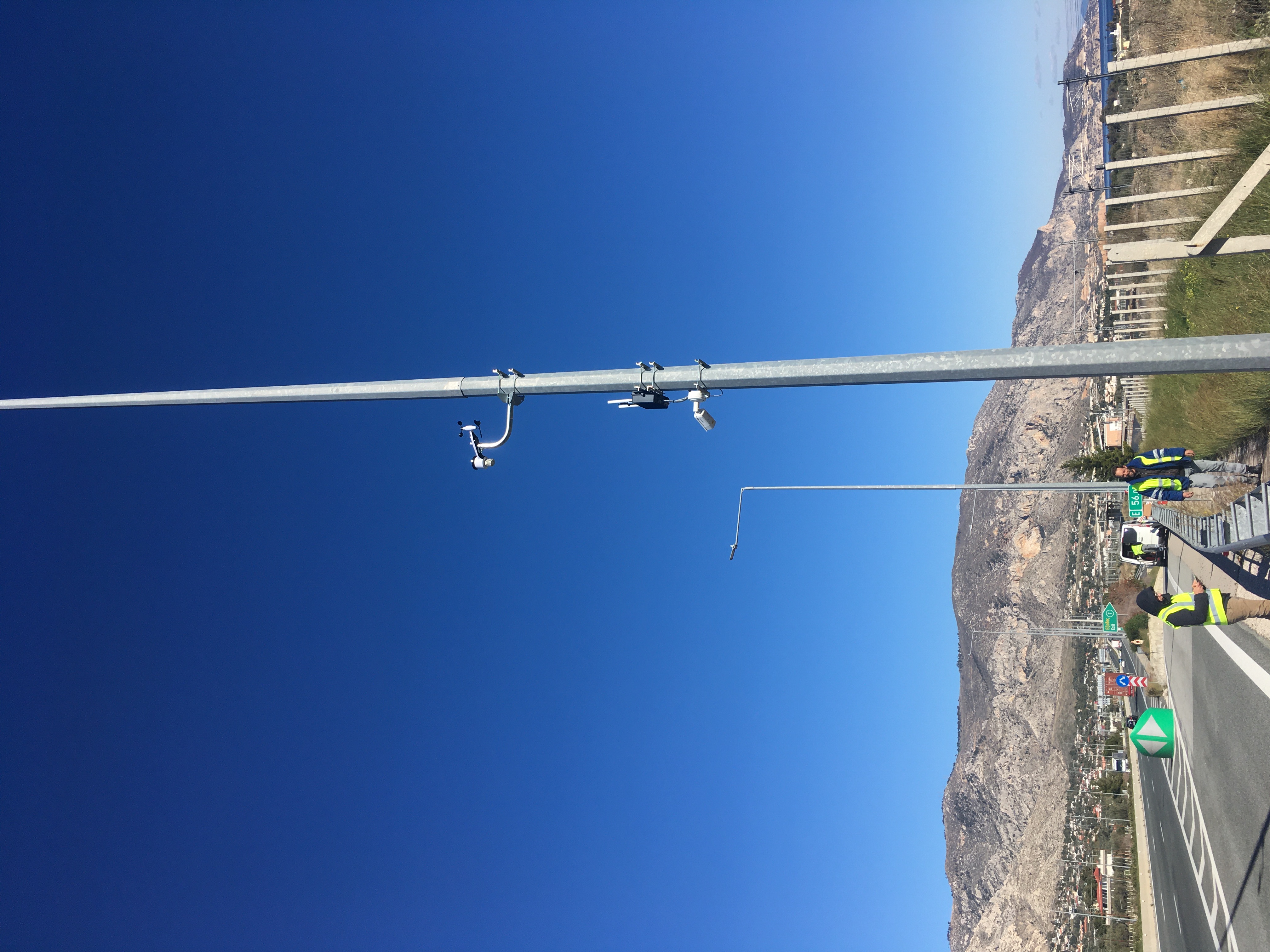
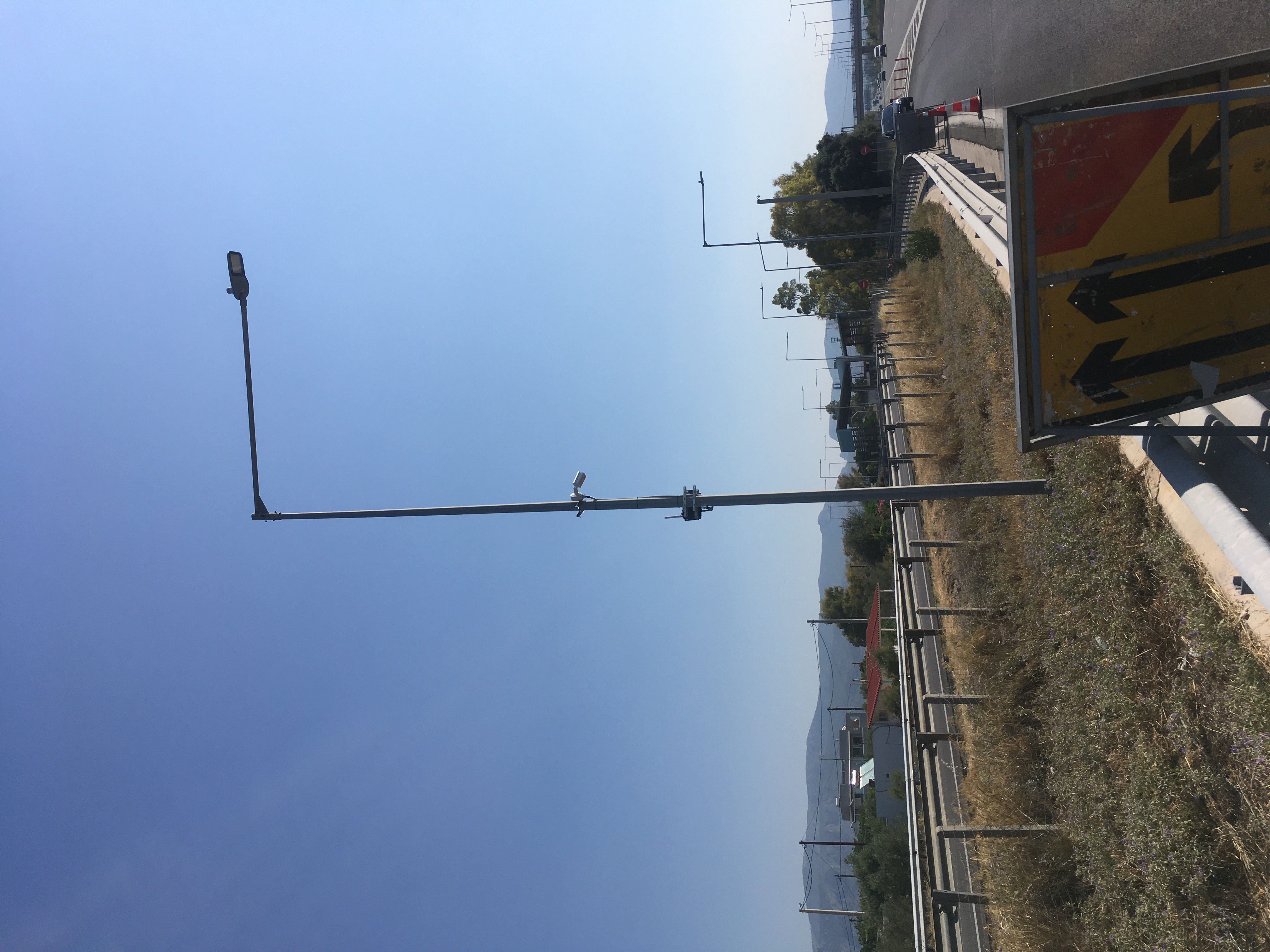
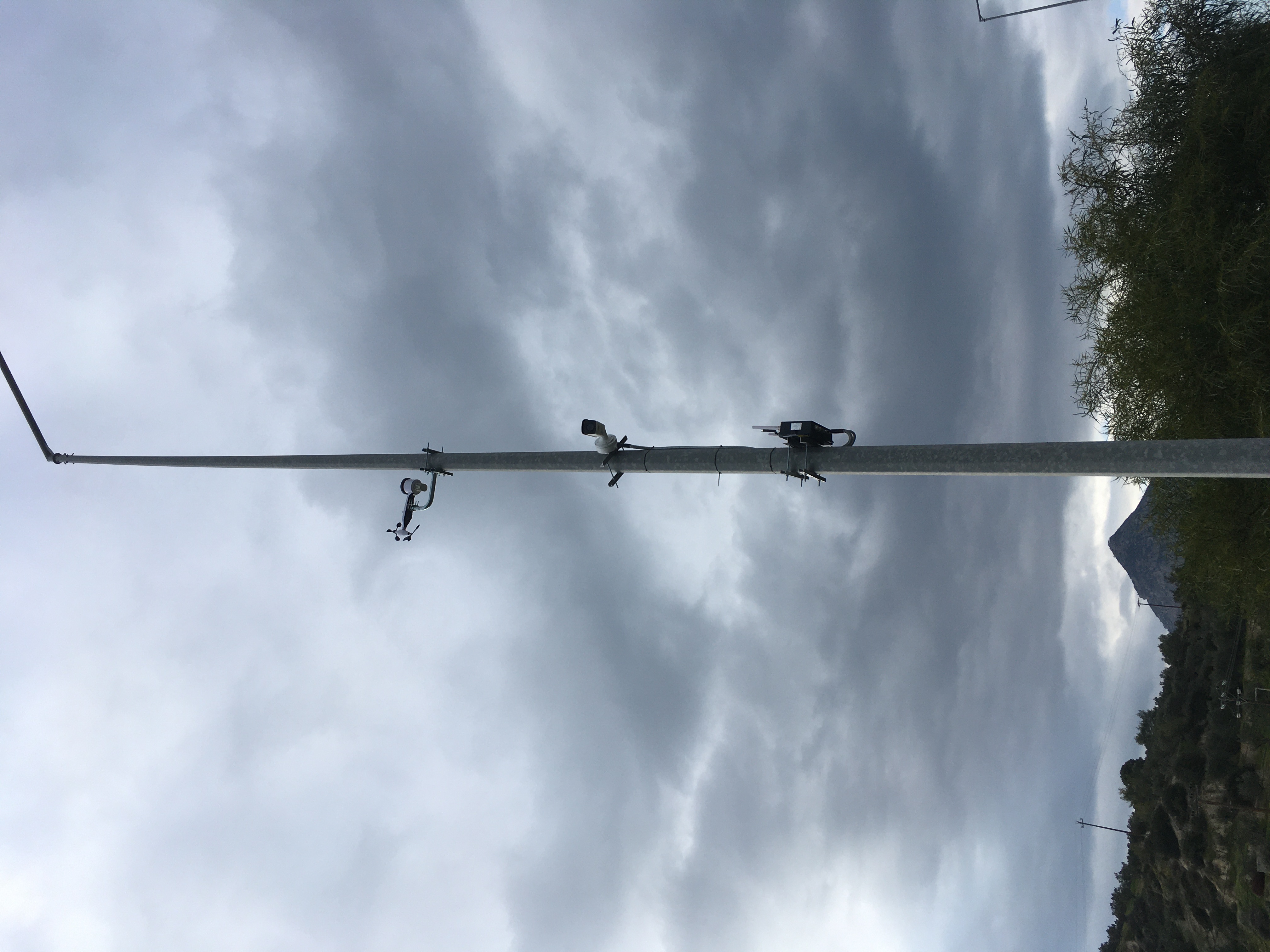
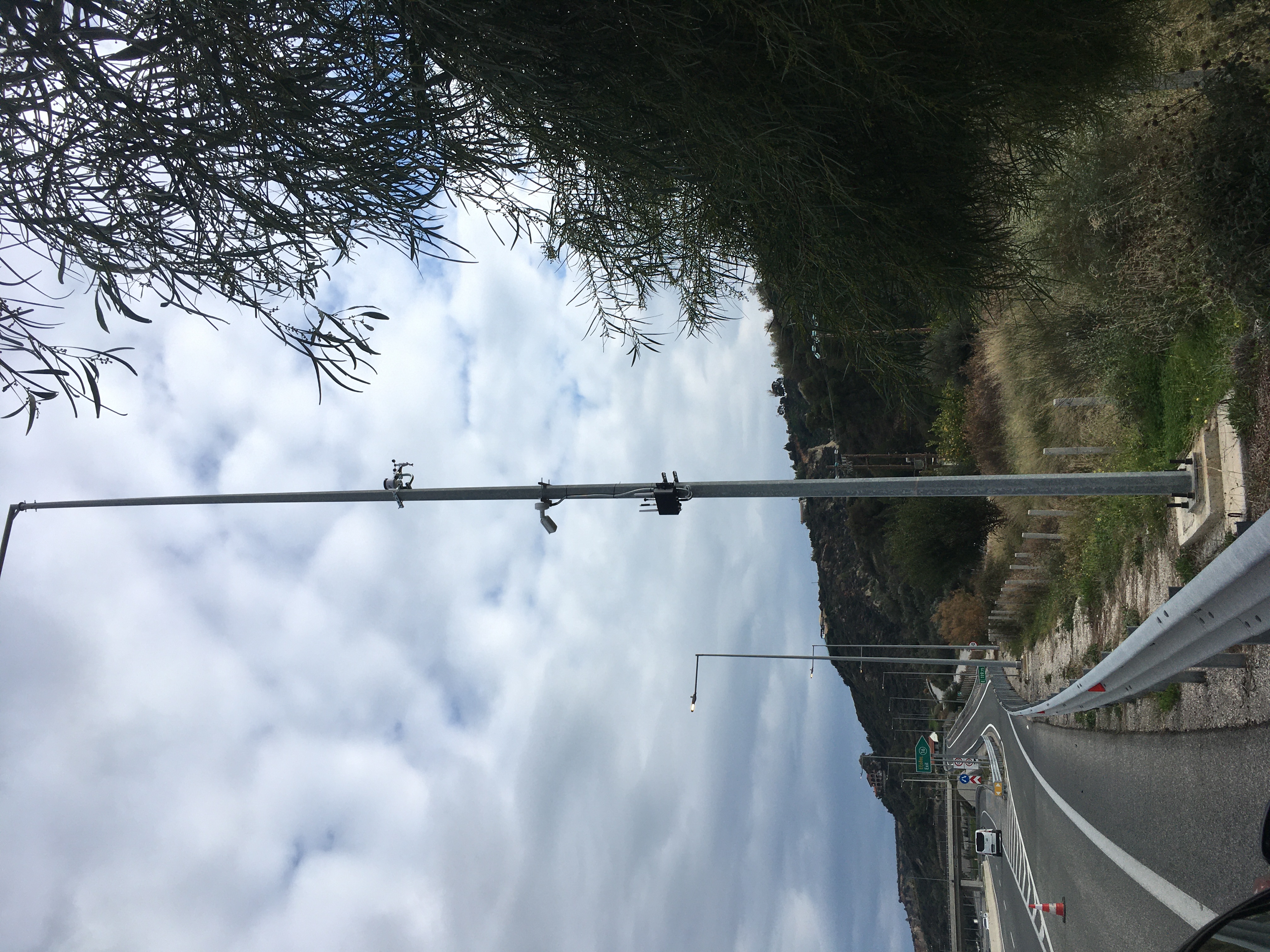
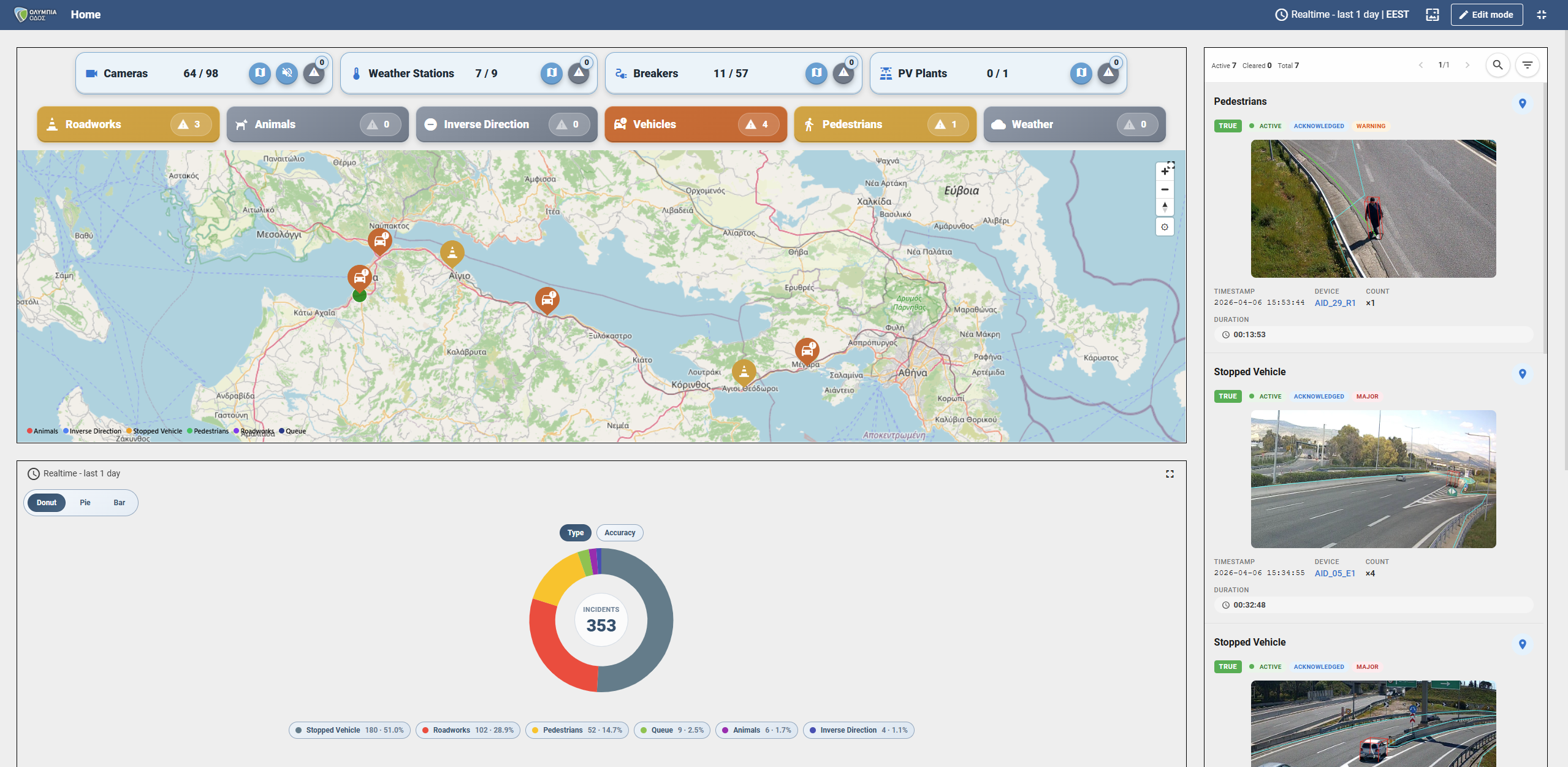
Ex Machina designed and deployed an AI-powered Automatic Incident Detection (AID) system using over 120 cameras equipped with NVIDIA Jetson Xavier edge processors. By running computer vision models directly on the edge hardware at each camera location, the system eliminates the latency and bandwidth costs of streaming video to a central server.
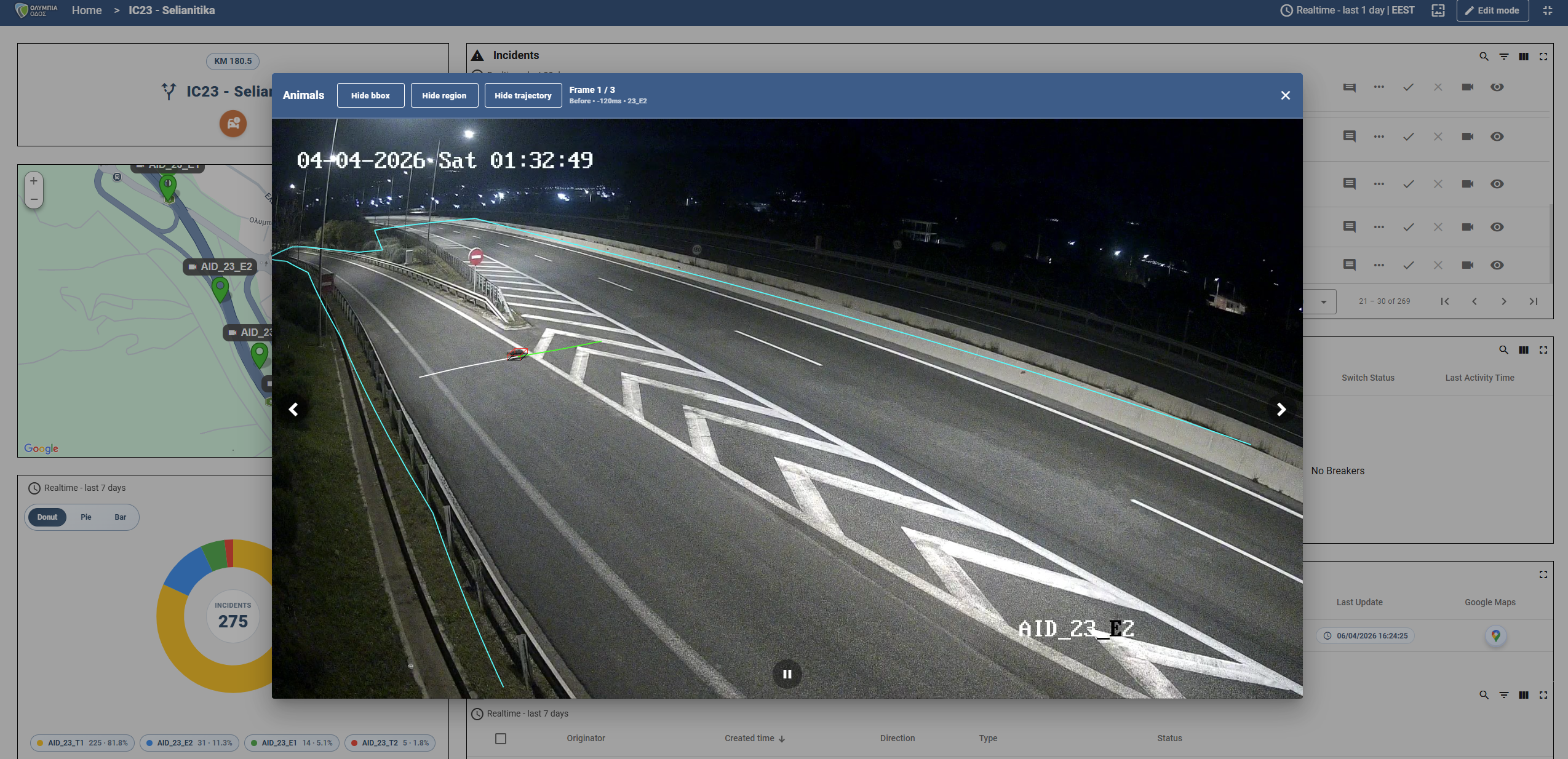
The edge AI models are trained to detect a comprehensive set of incident types:
- Stopped vehicles in live traffic lanes
- Wrong-way drivers entering the motorway against traffic flow
- Pedestrians and animals on the roadway
- Debris and fallen objects that could cause collisions
- Smoke detection for early fire warning
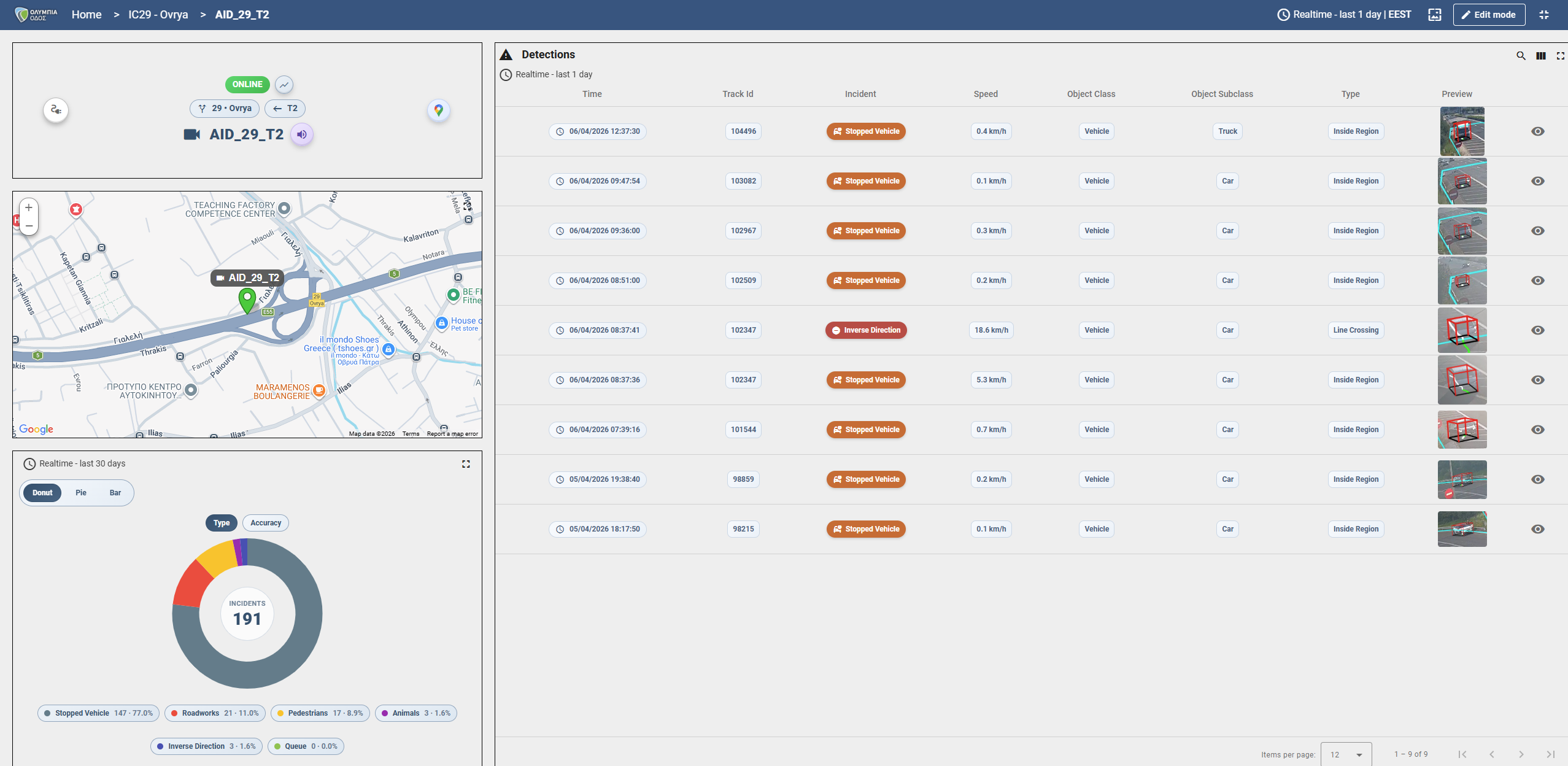
Each detection event is classified, timestamped, and transmitted to the traffic management center within seconds. Operators receive alerts with camera snapshots, incident type, and location — enabling immediate response.
Detection Performance
The system achieves an average detection time of 2-3 seconds from the moment an incident occurs. Even in worst-case conditions — fog, rain, nighttime, partial camera occlusion — detection remains under 7 seconds. The false alarm rate is held below 0.03 per camera per day, meaning operators are not overwhelmed with spurious alerts.
This performance is maintained across varying conditions through continuous model refinement and a robust training pipeline that incorporates real-world data from the motorway itself.
Adaptive Lighting Integration
Beyond incident detection, the same camera infrastructure feeds an adaptive lighting control system. By understanding real-time traffic density and conditions, the system adjusts tunnel and roadway lighting to match actual needs — delivering 20% energy savings compared to static lighting schedules without compromising driver safety.
Results
The AID system has transformed how Olympia Odos manages safety across its motorway network. Incident response times have dropped dramatically, operator workload has been reduced, and the near-zero false alarm rate means that when an alert fires, it demands attention. The combination of edge AI processing and adaptive lighting demonstrates how a well-designed IoT system can simultaneously improve safety and reduce operational costs.